



If you own a home in Schenectady, NY, you already know what the weather can do. Heavy spring rains, summer downpours, and brutal upstate winters put real stress on every part of your house, including your gutters. Professional rain gutter installation is one of the most practical investments a Schenectady homeowner can make, yet it’s easy to overlook until water damage shows up where you least want it. This guide walks you through why proper gutters matter, how to choose the right system, what professional installation looks like step by step, and how to find a contractor you can trust.
Key Takeaways Schenectady’s freeze-thaw cycle and heavy snowmelt make professionally installed gutters a necessity, not a luxury.Seamless aluminum gutters outperform sectional systems in cold climates because they have fewer joints that can crack or leak.rofessional installation typically costs more upfront than DIY but avoids expensive structural repairs down the road.Gutter cleaning twice a year (spring and fall) keeps a new system performing at its best.Always verify a contractor’s insurance, warranty terms, and local references before signing an estimate.
What Happens When Schenectady Homes Lack Proper Gutters
Without a working rain gutter installation, rainwater and snowmelt have nowhere to go except straight down your exterior walls and into the soil around your foundation. The problems that follow are not cosmetic. They are structural, and they escalate quickly in a climate like Schenectady’s.
Understanding these risks is the first step toward making a smart decision about gutter installation or replacement.
Foundation Damage from Unmanaged Rainwater and Snowmelt
When water pools around your foundation repeatedly, it saturates the soil and creates hydrostatic pressure against your basement walls. Over time, that pressure causes cracks, bowing, and water infiltration. Knowing how gutter installation works helps you appreciate why downspout placement matters: a well-positioned downspout carries water at least four to six feet away from the foundation, eliminating the pooling problem entirely.
Fascia Rot, Siding Stains, and Landscape Erosion
Overflowing water cascades directly over your fascia board and down your siding. Wood fascia can begin to rot within a single wet season. Vinyl and fiber cement siding stain and eventually warp. Proper gutter installation also protects your landscaping: without controlled drainage, concentrated runoff strips topsoil, undermines garden beds, and turns graded yards into erosion channels.
How Harsh Upstate New York Winters Accelerate Gutter Damage
Schenectady averages significant annual snowfall, and the freeze-thaw cycle is relentless from December through March. Water trapped in sagging or clogged gutters freezes, expands, and pries joints apart. Ice dams form when gutters are blocked, forcing meltwater back under roof shingles. A correctly installed system with adequate pitch and clean flow prevents this chain reaction before it starts.
Choosing the Right Gutter System for a Schenectady Home
The right rain gutter installation starts with choosing materials and a profile that match your home’s roofline, your budget, and Schenectady’s climate demands. Not every gutter performs equally in upstate New York conditions. Before a single bracket goes up, you should understand what your options are and what trade-offs each one brings. roper sizing and slope are just as important as material choice.
Gutter Materials Compared: Aluminum, Steel, Vinyl, and Copper
Aluminum is the most popular choice for cleaning rain gutter maintenance and long-term durability in cold climates. It doesn’t rust, holds paint well, and handles freeze-thaw cycles reliably. Steel is stronger but heavy and prone to rust over time.
Vinyl is inexpensive and easy to work with, but it becomes brittle in cold temperatures and is not ideal for cleaning gutters that face repeated ice expansion. Copper is beautiful and extremely durable, but it commands a premium price that most homeowners reserve for historic or high-end properties.
| Material | Typical Lifespan | Cold-Climate Performance | Relative Cost |
|---|---|---|---|
| Aluminum | 20, 30 years | Excellent | Moderate |
| Galvanized Steel | 15, 20 years | Good | Moderate |
| Vinyl | 10, 20 years | Fair (brittle in cold) | Low |
| Copper | 50+ years | Excellent | High |
Seamless vs. Sectional Gutters: Which Performs Better in Cold Climates
Seamless gutters are fabricated on-site to the exact length of each run, meaning the only joints are at corners and downspout outlets. That matters enormously in Schenectady’s winters: fewer joints mean fewer places for ice expansion to force leaks. Sectional gutters use pre-cut pieces joined with connectors that can separate over time.
For an upstate New York home, seamless aluminum is the clear performance winner. Our seamless gutter installation guide for Capital Region homeowners covers the installation process in detail if you want to go deeper.
Sizing and Pitch: Why 5-Inch vs. Larger Gutters Matter for Your Roof
For most Schenectady residential roofs, 5-inch K-style gutters are the standard. They handle typical rainfall volume efficiently and fit the profiles of most ranch, colonial, and cape-style homes common in the region. Pitch is equally critical: gutters should slope approximately one-quarter inch for every ten feet of run toward the downspout.
Without proper pitch, water sits stagnant, promotes rust, feeds mosquitoes, and adds unnecessary weight that bends hangers over time.
How Professional Rain Gutter Installation Works Step by Step
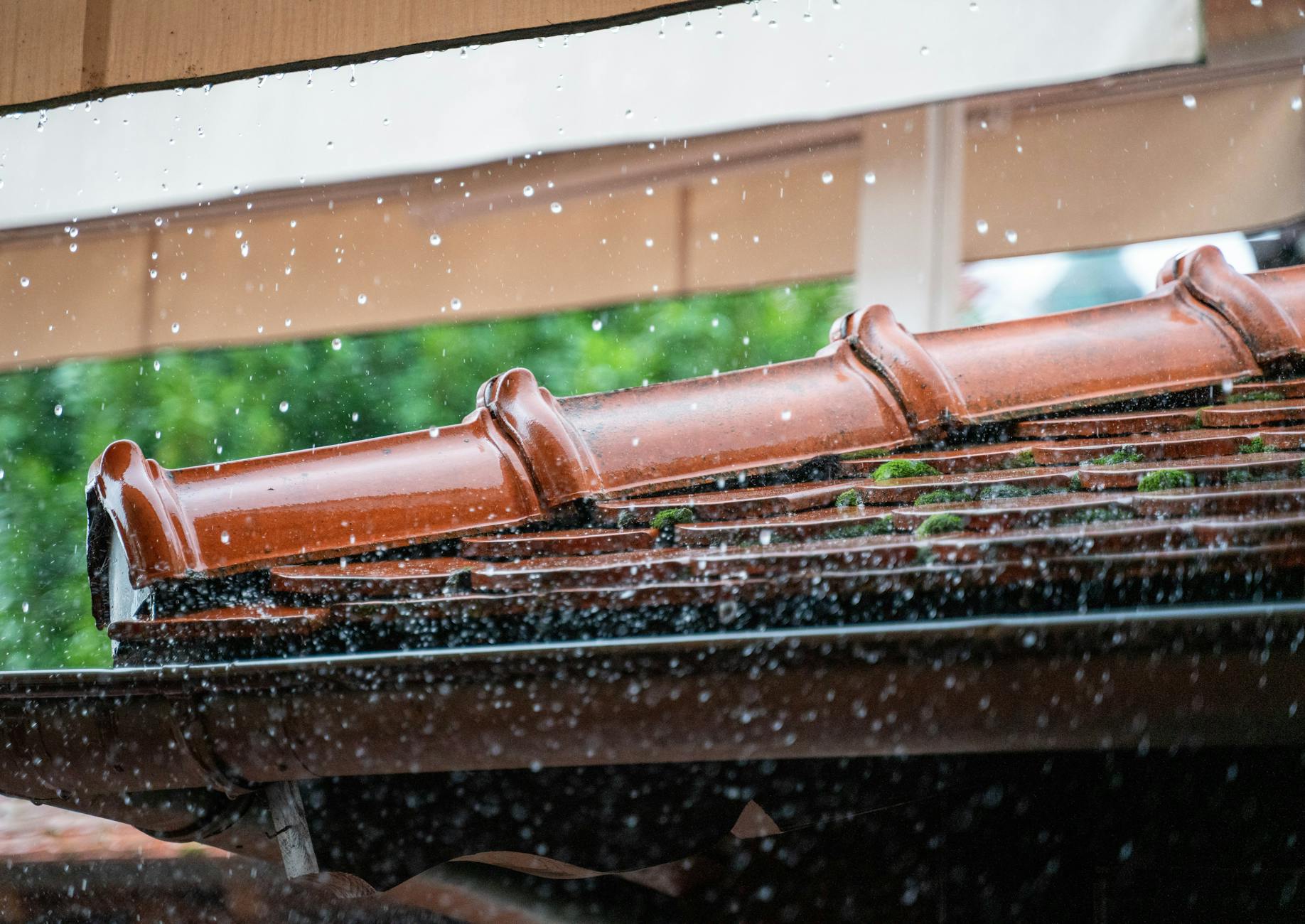
A professional rain gutter installation follows a logical sequence that ensures the system drains correctly, holds securely, and lasts for decades. According to pro gutter installation tips from the field, getting the fundamentals right during installation prevents most of the failures homeowners encounter later.
Measuring, Planning, and Mapping Downspout Placement
Before any material is cut, a professional measures the full perimeter of roof edges that need coverage, maps the highest points and lowest drainage points, and determines where downspouts should exit. Downspout placement must account for the grade of your yard, proximity to the foundation, and any below-grade drainage systems. Poor planning here is where many DIY jobs go wrong from the start.
Fastening, Sealing, and Slope: What a Pro Gets Right That DIY Often Misses
Hangers should be spaced no more than 24 to 36 inches apart to support snow load and ice weight. Every end cap and outlet is sealed with a gutter sealant rated for temperature extremes. The slope is set using a chalk line across the fascia before the first bracket is installed, not eyeballed after.
These details, which a professional executes consistently, are the difference between a gutter that lasts 25 years and one that pulls away from the fascia in year three. Learn more about what goes into expert gutter installation services at Urban Seamless Gutters.
Final Inspection and Water-Flow Testing Before the Job Is Done
A reputable installer runs water through the entire system before leaving. They check for standing water in any section (indicating insufficient pitch), confirm all downspouts discharge freely and away from the foundation, and verify that no joints are weeping. This final test catches problems that are invisible during dry installation and saves you from discovering a leak during the first heavy rain.
Professional Installation vs. DIY: An Honest Cost and Risk Comparison
It’s worth being honest about the trade-offs. DIY gutter installation is possible, but it carries real risks that go beyond a challenging afternoon on a ladder.
Typical Rain Gutter Installation Costs in Schenectady for 2026
According to research on the best gutter installation companies in 2026, professionally installed gutters typically range from $4 to $12 per linear foot depending on material, profile, and project complexity. A full gutter replacement on a 2,000 square foot home with roughly 150 linear feet of gutters might land between $800 and $2,000 installed, including downspouts. You can also review typical gutter installation costs to understand what factors affect your specific quote.
| Cost Factor | DIY (Approx.) | Professional (Approx.) |
|---|---|---|
| Materials (aluminum, 150 LF) | $200, $400 | Included in quote |
| Labor | $0 (your time) | $400, $1,200 |
| Tools/equipment rental | $50, $150 | Included |
| Risk of improper pitch/leaks | High | Low |
| Warranty coverage | None | Typically 1, 5 years |
Hidden Risks of DIY Gutter Installation in Two-Story Homes
Working at height on a two-story home is statistically one of the most common sources of serious homeowner injuries. Beyond safety, improper pitch, undertightened hangers, and missed sealing points create slow leaks that quietly rot fascia and feed mold behind your siding for months before you notice. A professional installation on a Schenectady home often pays for itself by preventing even one structural repair.
Keeping Your Gutters Working: Cleaning and Maintenance After Installation
Even the best gutter installation needs regular attention to stay effective. Maintenance is straightforward once you have a schedule.
How Often Schenectady Homeowners Should Schedule Gutter Cleaning
Twice a year is the standard recommendation: once in late spring after tree pollen and seeds have settled, and again in late fall after the last leaves have dropped. Homes surrounded by mature oaks or maples may need a third cleaning mid-summer. The Urban Seamless Gutters gutter cleaning services team handles this for homeowners who prefer not to climb a ladder.
You can also review guidance on when to repair, clean, add guards, or replace seamless gutters to know which service your system actually needs.
Signs Your Gutters Need Immediate Attention Between Cleanings
Watch for water spilling over the front edge during rain (clog or pitch issue), paint peeling on fascia boards, rust streaks on siding, or gutters visibly pulling away from the roofline. Any of these signs means the system needs service before the next scheduled cleaning. Gutter guards, particularly micromesh gutter guards, reduce debris buildup significantly and cut down on how often cleaning is needed.

How to Choose a Qualified Gutter Installation Contractor in Schenectady
Finding the right installer protects both your home and your investment. The contractor you choose matters as much as the materials they install.
Credentials, Insurance, and Warranties to Require Before Signing
Always verify that your contractorcarries general liability insurance and workers’ compensation coverage. If someone is injured on your property during an uninsured job, you could be held responsible. Ask for a copy of the certificate before work begins.
On warranties, look for at least a one-year labor warranty in addition to any manufacturer warranty on materials. Reputable local contractors, including the team serving Schenectady gutter installation and repair, stand behind their work in writing.
Questions to Ask During a Gutter Installation Estimate
A free estimate is also an interview. Come prepared with these questions:
- Are your crews employees or subcontractors, and are both covered by your insurance?
- Will you fabricate seamless gutters on-site, or are you bringing pre-cut sections?
- What pitch will you set, and how will you verify it before finishing?
- What sealant do you use at joints and end caps, and what temperature range is it rated for?
- Do you haul away old gutters and debris, or is cleanup my responsibility?
- What does your warranty cover, and how do I file a claim if there’s a problem?
Clear, confident answers to these questions separate experienced local contractors from crews that cut corners. If a contractor hesitates or gives vague responses, keep looking.